Real-Time Data Intelligence: How GGR Analytics Supports Continuous Optimization in iGaming
In an increasingly competitive iGaming market, operational performance depends on more than
an attractive game catalogue or effective acquisition campaigns. Operators also need a clear,
timely understanding of how their platforms perform, where revenue opportunities emerge, and
which areas require attention. This is where data intelligence and real-time performance
monitoring become important.
For B2B iGaming platforms, Gross Gaming Revenue (GGR) is a central metric for assessing
casino performance. However, its value extends beyond the headline figure. When analyzed
alongside game performance, player activity, and campaign results, GGR can help operators
identify operational bottlenecks, assess commercial initiatives, and make more informed
decisions about resource allocation.
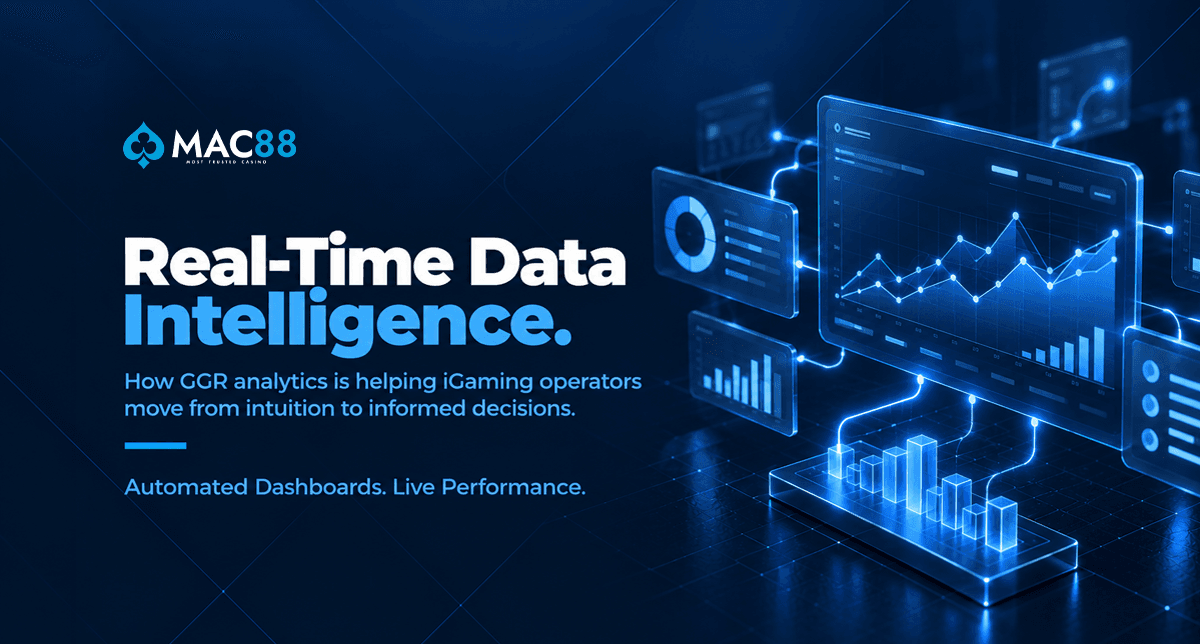
MAC88 incorporates real-time GGR analytics, automated reporting, and performance
dashboards into its technology ecosystem, giving operators greater visibility into platform activity
and supporting a more structured approach to ongoing optimization.
From Intuition to Data-Driven iGaming Management
Intuition and industry experience remain valuable in iGaming management, but they become
more effective when supported by reliable performance data. Without timely reporting, operators
may struggle to distinguish between temporary fluctuations and recurring operational issues.
A data-driven approach provides a more consistent basis for evaluating performance. Rather
than relying exclusively on historical summaries or isolated observations, teams can use
available metrics to understand what is happening across their platforms and investigate the
factors behind the results.
This is particularly relevant in environments where game portfolios, player behavior, and
promotional activity can change rapidly. Access to timely information helps business and
technical teams align their decisions with observed performance instead of relying solely on
assumptions.
For operators, the objective is not simply to collect more data. It is to make relevant information
accessible, understandable, and useful to the people responsible for platform performance.
How Real-Time GGR Analytics Improves Visibility
GGR represents the difference between the total amount wagered and the winnings paid to
players, before deductions such as bonuses, operating expenses, and other applicable costs. It
is an important indicator of gaming revenue, although it should not be confused with net profit.
Monitoring GGR over time can help operators evaluate how their platforms and individual game
categories are performing. When combined with other relevant indicators, it can also provide
context for changes in player activity, product performance, and commercial outcomes.
MAC88’s reporting structure, automated dashboards, and real-time GGR analytics are designed
to improve visibility into platform performance. This allows operators to work with a clearer view
of available data and use that information to support ongoing business and operational
decisions.
The practical value lies in connecting the metrics to specific questions: Which games contribute
most to revenue? Are particular categories underperforming? Do campaign results justify their
associated costs? Are changes in activity reflected in revenue performance?
Answering these questions requires the right combination of metrics, reporting intervals, and
analytical context. Real-time visibility can shorten the time between identifying a potential issue
and investigating it, although the quality of the resulting decisions still depends on data accuracy
and interpretation.
Identifying Bottlenecks and Improving Campaign
Decisions
Performance monitoring becomes more useful when it helps teams investigate the reasons
behind a result. A decline in GGR, for example, may be associated with changes in player
activity, game mix, campaign performance, or other operational factors. The metric alone does
not establish the cause, but it can signal where further analysis is needed.

By examining GGR alongside other available performance indicators, operators can investigate
potential bottlenecks and prioritize corrective action. This may include reviewing the visibility of
specific games, assessing the contribution of different product categories, or examining whether
promotional campaigns are delivering the intended commercial results.
Campaign optimization is another relevant application. If operators can compare campaign
activity with subsequent engagement and revenue indicators, they are better positioned to
assess whether an initiative is meeting its objectives. These assessments should account for
campaign costs, player behavior, and the limitations of attribution before drawing conclusions
about profitability.
A structured reporting environment also supports collaboration between business intelligence,
marketing, product, and technical teams. When departments work from consistent metrics, it
becomes easier to investigate discrepancies, establish priorities, and evaluate the effects of
operational changes.
Automated Reporting as an Operational Advantage
Manual reporting can consume valuable time and create inconsistencies when teams rely on
separate spreadsheets, reporting schedules, or definitions. Automated reporting helps establish
a more repeatable process for accessing and reviewing performance information.
For B2B platforms, dashboards can make relevant indicators easier to monitor, while automated
reporting can reduce the effort involved in compiling recurring performance summaries. This
allows teams to dedicate more attention to interpreting results and deciding what action, if any,
is warranted.
Automation does not eliminate the need for analytical oversight. Metrics must be clearly defined,
reporting systems must be reliable, and teams need to understand the context behind changes
in performance. Data quality, access controls, and consistent measurement practices remain
essential to producing useful insights.
The aim is to build a reporting process that supports regular evaluation rather than treating
analysis as an occasional exercise undertaken only when a problem becomes apparent.
Connecting Data Intelligence with Sustainable
Performance
Improving GGR is not simply a matter of increasing short-term revenue. Sustainable operational
performance requires operators to understand the relationship between revenue, promotional
expenditure, player activity, product costs, and other relevant business indicators.
GGR provides an important starting point, but profitability requires a broader financial view.
Operators should consider the applicable deductions and costs before determining whether a
particular game category, campaign, or operational change has improved the overall business
outcome.
MAC88’s real-time GGR analytics, automated reporting, and performance dashboards support
this more informed approach to platform management. By making performance information
more accessible, the technology can help operators investigate changes, assess commercial
decisions, and identify areas where further optimization may be worthwhile.
For business intelligence and technology teams, the opportunity lies in connecting data visibility
with a repeatable decision-making process. When reporting, analysis, and operational action
work together, operators have a stronger foundation for managing performance in a market
where conditions and player activity can change quickly.